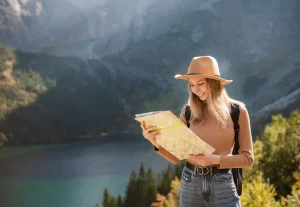
Solo travel and adventure are not just compatible. They are, for many people, the combination that produces the most transformative travel experiences available. The absence of compromise, the freedom to move at your own pace, and the openness that traveling alone creates for genuine connection with people and places are amplified rather than diminished when the travel involves genuine challenge.
The solo adventure tours market has expanded significantly in the last decade. What was once a fragmented collection of group tours that tolerated solo travelers has become a structured industry with purpose-built formats, single supplement elimination policies, and itineraries designed specifically around the solo traveler experience. Here is what is available and how to navigate it.
Why Solo Adventure Travel Has Changed Fundamentally
The organized group tour market for solo travelers has matured into something qualitatively different from the generic group tours of previous decades. Purpose-built itineraries, pre-formed communities of travelers with compatible interests, and operators whose entire model is built around the solo traveler experience have replaced the era when solo travel meant either going entirely alone or paying a single supplement to join a tour designed for couples.
The demographic has expanded significantly. The young backpacker archetype is still present but no longer dominates. Mid-career professionals taking sabbaticals, recently retired travelers seeking active experiences, and people at life transition points, post-divorce, post-bereavement, post-career change, now make up a substantial portion of the solo adventure travel market. The operators who understand this have built products that reflect the full range of what solo adventure travelers are actually seeking.
Guided Group Tours: The Most Accessible Solo Adventure Format
Small Group Adventure Tours
Small group adventure tours from operators like Intrepid Travel, G Adventures, and Exodus Travels represent the most accessible entry point into solo adventure travel. Groups of eight to sixteen people create a social dynamic that produces genuine connection without the anonymity of larger coach tours. The itinerary structure balances guided activity with independent time, which means solo travelers retain the freedom that made them choose solo travel in the first place.
The single supplement elimination that most small group operators now offer is not a minor financial detail. It changes the economics of solo travel fundamentally. A solo traveler paying the same per-person rate as someone in a shared room is accessing the same experience without the financial penalty that hotel-based solo travel routinely imposes.
Age-Specific and Demographic-Focused Tours
Age-bracketed tours deserve more attention than they typically receive in general solo travel coverage. A tour designed for travelers in their forties and fifties operates at a different pace, with different activity intensity and social expectations, than one designed for travelers in their twenties. Matching the tour demographic to your personal profile produces better social outcomes than joining a generic group and hoping for compatible company.
Women-only adventure groups, LGBTQ+ adventure travel operators, and solo parent tours create environments where specific community relevance is built into the format rather than left to chance. These are not niche products. They are mature market segments with multiple reputable operators and strong repeat booking rates that signal genuine traveler satisfaction.
Wilderness and Trekking Tours for Solo Travelers
Guided Trekking and Mountaineering
Guided trekking tours in Nepal, Patagonia, Kilimanjaro, and the Dolomites offer solo travelers safety infrastructure and local knowledge that independent travel in these environments cannot replicate without substantial prior experience. The permit and group requirement systems at major trekking destinations, including Machu Picchu and the Everest Base Camp route, mean that solo travelers are frequently required to join organized groups regardless of their preference for independence.
Guided mountaineering programs provide something more specific: technical instruction and summit experience that require qualified guidance for safety reasons that go beyond personal preference. An operator specializing in solo traveler mountaineering, with small groups and qualified guides, provides access to experiences that are genuinely unavailable through independent travel.
Self-Guided Wilderness Routes With Support
Self-guided adventure tour formats offer the independence purist a middle path. Pre-planned routes, advance accommodation booking, luggage transfer between stages, and emergency contact infrastructure provide the logistical backbone of an organized tour without a guide or group. The Camino de Santiago is the most developed example globally, with an entire industry of self-guided support built around one of the world’s most popular long-distance routes.
New Zealand’s Great Walks and UK long-distance paths like the Coast to Coast and West Highland Way have comparable infrastructure. Solo travelers on these routes are genuinely independent during the day and connected to support systems when they need them.
Water-Based Solo Adventure Tours
Kayaking and Paddling Expeditions
Sea kayaking tours in the Adriatic, Norwegian fjords, and New Zealand’s Bay of Islands provide wilderness access that land-based routes structurally cannot. Coastal and island environments that are inaccessible overland become the primary terrain. The combination of physical challenge, landscape immersion, and the specific intimacy of water-level travel produces experiences that solo travelers consistently rate among their most significant.
Multi-day kayaking expeditions with specialist operators build skills progressively across the tour, which means arriving without paddling experience is not a barrier for the right departure level. The skill progression from beginner day tour to multi-day coastal expedition is a genuine development path that several operators have built into their solo traveler product range.
White Water and Sailing Adventures
White water rafting on the Colorado River, the Zambezi, or Chile’s Futaleufú provides intensity that most adventure formats cannot match. The communal nature of rafting, where the group functions as a unit by necessity, creates social bonding that makes it one of the most effective solo traveler formats for rapid community formation.
Sailing adventure tours, specifically learn-to-sail programs and crewed flotilla sailing in the Greek islands or Caribbean, provide an on-board community in the genuinely intimate environment of a shared vessel. The combination of skill development, maritime landscape, and the enforced proximity of boat life produces social dynamics that land-based tours rarely replicate.
Cultural Immersion and Overland Solo Adventure Tours
Overland adventure tours across Africa, Central Asia, and South America offer geographic scope and cultural breadth that no other format matches. Operators like Oasis Overland and Dragoman have built the overland format specifically around extended group dynamics that develop over weeks and months rather than days. The shared cooking, vehicle maintenance participation, and democratic decision-making that characterize these tours create community depth that shorter formats cannot produce.
Skills-based adventure tours attract solo travelers seeking learning alongside physical challenge. Photography expeditions in Iceland or Mongolia, wildlife tracking courses in southern Africa, and survival skills tours in Scandinavia provide structured skill development within an adventure travel context. The learning objective creates a shared purpose that accelerates social connection in ways that activity-only formats sometimes do not.
FAQs
What are the best solo adventure tours for first-time solo travelers with limited outdoor experience?
Small group tours with operators like Intrepid or G Adventures offer the best entry point, combining guided support, built-in community, and manageable activity levels for first-timers.
How do I avoid paying a single supplement on solo adventure tours and keep costs reasonable?
Choose operators who eliminate single supplements as policy, not exception. Intrepid, G Adventures, and most small group specialists have made this standard for solo traveler departures.
Which solo adventure tour format is best for meeting other travelers and forming genuine connections?
Overland expeditions and sailing tours produce the deepest social bonds due to extended shared experience. White water rafting and small group trekking also generate strong community formation quickly.
Are solo adventure tours safe for women traveling alone in remote or unfamiliar destinations?
Women-only adventure tour operators with established reputations provide the safest and most supportive environments. Research operator safety records, guide qualifications, and solo female traveler reviews specifically before booking.
How far in advance should I book solo adventure tours to secure the best availability and pricing?
Book twelve to eighteen months ahead for high-demand departures. Popular solo-friendly tours fill early, and single-occupancy room allocation is the first resource to run out.