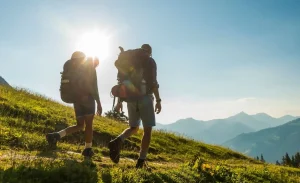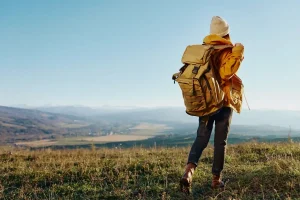
The difference between a day hike kit and a long trek kit is not simply more of the same gear. It is a fundamentally different approach to self-sufficiency, weight management, and preparation for conditions that change over days rather than hours. A well-chosen day hike kit fits in a twenty-litre pack and covers every contingency for a single day out. A long trek kit is a system of interdependent decisions where every gram counts across days of carrying.
Understanding this distinction prevents both dangerous under-preparation and the exhausting over-packing that ruins the experience of carrying everything on your back. This guide covers what is essential at each level, what changes as trip duration increases, and how to make gear decisions that serve the actual demands of your planned trail.
The Core Principle: Matching Gear to Commitment Level
Every gear decision should start with the trip profile rather than a generic gear list. The variables that determine what you actually need are duration, remoteness, elevation, expected weather, and distance from assistance if something goes wrong. These five factors interact to produce a specific gear requirement that no universal hiking gear list accurately captures.
A three-hour forest walk on a marked trail near a road shares almost nothing in terms of gear logic with a twelve-day mountain trek at altitude. Both are hiking. The gear overlap is limited to footwear, basic clothing, and water. Everything else is determined by the trip profile. Starting with the list rather than the profile is where most gear decisions go wrong.
Essential Hiking Gear for Day Hikes
Navigation and Safety Essentials
A fully charged phone with offline maps downloaded before leaving home addresses the navigation needs of most day hikes reliably. AllTrails, Komoot, and Maps.me all function without a mobile signal once maps are downloaded. Where this approach fails is in battery depletion, screen damage, and the scenarios where the phone is needed as an emergency communication device, simultaneously as a navigation one. A small battery pack weighing under 150 grams resolves this entirely.
The items most day hikers skip and occasionally genuinely need are a compass, an emergency whistle, and a space blanket. A compass used alongside an offline map provides navigation backup that requires no battery. A whistle carries more sound further with less effort than a voice in an emergency. A space blanket weighs thirty grams, costs almost nothing, and provides genuine protection in an unexpected overnight that terrain, weather, or injury can create on any trail.
Clothing, Hydration, and Nutrition
Water calculation for day hikes follows a practical formula: half a litre per hour of moderate effort in mild conditions, scaling to one litre per hour in heat or at altitude. Most day hikers carry too little because they underestimate the duration or overestimate the pace they will maintain. Carrying one litre more than the calculated requirement costs negligible weight and eliminates the dehydration that degrades both physical performance and decision-making quality.
Sun protection is the essential hiking gear category most consistently underpacked by casual day hikers. Sunscreen, quality sunglasses with UV protection, and a hat with brim coverage are not optional extras on exposed trails above the treeline. The UV exposure at altitude is substantially higher than at sea level, and the cooling effect of wind and movement suppresses the perceived intensity that would otherwise prompt application.
Day Hike Pack Selection and Organisation
Pack volume for day hiking sits between fifteen and twenty-five litres for most conditions. Below fifteen litres, carrying adequate water, layers, and safety items becomes a compromise. Above twenty-five litres, the temptation to fill available space with items that do not serve the trip profile adds weight without adding value.
Pack fit matters more than most day hikers realise until they spend a full day in a poorly fitted one. Trying a pack loaded to approximate walking weight before purchase is the single most useful buying practice. An empty pack fits everyone adequately. A loaded pack reveals fit issues within thirty minutes of walking that no amount of adjustment resolves if the torso length is wrong.
Essential Hiking Gear for Long Treks: What Changes
Shelter and Sleep Systems
The shelter decision for long treks involves a weight-versus-livability tradeoff that does not exist for day hiking. Ultralight single-wall tents in the 900-gram range provide adequate protection in stable mountain weather. In sustained wet conditions or high wind environments, the step up to a double-wall tent in the 1.3 to 1.8 kilogram range provides meaningfully better protection at a weight cost that is justified over multiple nights.
Sleeping bag selection for long treks requires more careful temperature rating assessment than most hikers apply. The comfort rating, not the limit rating that manufacturers display prominently, is the relevant figure for consecutive night use. A bag rated to zero degrees Celsius comfort used consistently across a ten-day trek in variable conditions provides reliable rest. A bag selected on its limit rating of minus five degrees produces cold nights and an accumulated sleep deficit that degrades every subsequent day.
Sleeping pad R-value, the insulation rating that determines ground cold protection, is the specification that long trek hikers most often underspecify. An R-value of two is adequate for summer conditions at moderate elevation. Mountain environments and shoulder season require an R-value of four or above. The weight penalty for adequate insulation is smaller than the performance penalty of inadequate sleep across multiple nights.
Cooking, Water Treatment, and Extended Nutrition
Canister stove systems like the MSR PocketRocket or Jetboil Flash represent the best weight-to-reliability ratio for most long trek applications. Alcohol stove systems save weight at the cost of fuel availability and cold-weather performance. The right choice depends on route resupply points and expected temperature range rather than a general preference.
Water treatment for long treks requires a system rather than a backup. The Sawyer Squeeze filter at 85 grams provides reliable filtration across hundreds of litres without chemical taste or battery dependence. Chemical treatment tablets serve as backup for filter failure rather than primary treatment. UV purification devices add battery management to the logistics of a trek where power access may be limited.
Caloric density is the nutrition variable that matters most for long trek food planning. Targeting 100 calories per 28 grams of food weight produces a pack weight that is manageable across multi-day carries. Foods that fall below this ratio, fresh fruit, vegetables, and most convenience foods, are luxuries for the first day only on any serious long trek.
Footwear: The Most Consequential Gear Decision at Both Levels
Day Hike Footwear Options
Trail running shoes outperform traditional hiking boots for most day hiking applications where terrain is not technical and pack weight is light. The lower weight, better ground feel, and superior breathability produce a more comfortable day than stiffer, heavier boots that were designed for the additional demands of long trekking.
Waterproofing in day hike footwear involves a genuine tradeoff. Gore-Tex lined shoes keep feet dry in wet crossings but run significantly warmer in hot conditions and dry more slowly when they do get wet inside. In summer conditions, non-waterproof trail shoes that wet out quickly and dry quickly often produce more comfortable feet across a full day than waterproofed alternatives.
Long Trek Footwear Requirements
Feet change volume over consecutive hiking days due to sustained impact and heat. Footwear that fits perfectly on day one may fit tightly by day four. Buying long trek boots with a half-size allowance for this expansion prevents the forefoot compression that accelerates blister formation in the middle section of a long route.
Camp shoes, lightweight sandals or packable slip-ons, earn their weight on any trek exceeding three days. The recovery value of removing hiking boots and allowing feet to decompress during evening camp time reduces cumulative fatigue and blister risk across subsequent days in ways that make the 150 to 300 grams of camp shoe weight a straightforward performance investment.
Conclusion
Essential hiking gear for day hikes and long treks shares a philosophical foundation: carry what the trip profile genuinely requires, execute each gear decision well, and understand why every item earns its weight. The application of that principle produces two meaningfully different kit lists.
Use the trip profile framework from this guide before any gear decision. Duration, remoteness, elevation, weather, and distance from assistance determine what you need. Every item on your list should trace back to one of those five variables. Items that do not are candidates for removal regardless of how useful they seemed in the gear shop.