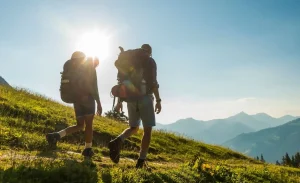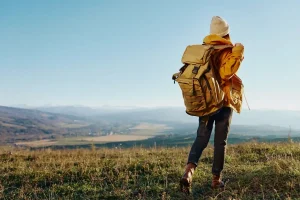
Traveling off the beaten path allows explorers to experience the world in its most authentic form. Instead of crowded tourist hubs, these journeys lead to remote landscapes, small villages, and hidden cultural treasures. Travelers can enjoy solitude, unique adventures, and personal connections with local communities that mainstream destinations rarely offer.
Finding such destinations requires strategy, research, and preparation. From rugged mountains to secluded beaches, off-the-beaten-path trips demand flexibility, creativity, and respect for local environments. This guide provides strategies, examples, and practical suggestions for travelers seeking these hidden gems.
Understanding What “Off-the-Beaten-Path” Really Means
Off-the-beaten-path travel is about exploring places less frequented by tourists. These destinations are often overlooked due to their remoteness, limited infrastructure, or lack of mainstream popularity. Unlike typical tourist hotspots, they provide raw, unfiltered experiences.
Travelers choosing these destinations prioritize authenticity over convenience. They value local culture, nature, and adventure above predictable itineraries. While these trips are often more rewarding, they also come with challenges such as limited accessibility, fewer amenities, and the need for careful planning. Understanding these dynamics is the first step in successfully discovering hidden gems.
Strategies to Discover Hidden Destinations
Finding off-the-beaten-path destinations requires both creativity and careful research. Travelers must look beyond traditional guidebooks and rely on digital tools, local knowledge, and hands-on exploration.
Research Beyond Traditional Guides
Blogs, travel forums, and niche websites often highlight destinations that mainstream guides overlook. Independent travel writers and local bloggers frequently share experiences from small towns, remote natural areas, and culturally rich villages.
Reading first-hand accounts can reveal seasonal highlights, local events, and lesser-known attractions. Travelers should also explore guidebooks that focus on regional rather than national coverage, as these often mention underappreciated destinations.
Leverage Local Expertise
Engaging with locals is one of the most effective ways to uncover hidden gems. Small business owners, guides, and residents often know areas that tourists rarely visit. Markets, festivals, and community events can lead to unexpected adventures.
Hiring local guides or staying in family-run accommodations also offers cultural immersion while supporting the local economy. This approach ensures travelers benefit from insider knowledge while contributing to responsible tourism.
Map and Satellite Exploration
Modern mapping tools such as Google Earth, GIS apps, and online topographic maps allow travelers to spot potential off-the-beaten-path destinations. By analyzing terrain, trails, and natural landmarks, explorers can identify remote areas for hiking, camping, or photography.
Satellite exploration helps locate secluded beaches, hidden waterfalls, or untouched forests. This proactive approach enables planning ahead while minimizing surprises during the journey.
Types of Off-the-Beaten-Path Destinations
Off-the-beaten-path destinations vary widely, from natural landscapes to cultural hubs. Understanding these categories helps travelers match experiences with their interests.
Remote Natural Landscapes
Secluded mountains, waterfalls, or hidden beaches often provide serene settings far from crowds. These areas are ideal for hikers, photographers, and nature enthusiasts seeking solitude. Remote natural landscapes encourage mindful exploration and allow visitors to witness ecosystems in a near-pristine state.
When planning visits, consider access points, weather conditions, and potential hazards. Even well-known national parks have less-traveled trails that provide a similar sense of discovery.
Underrated Cultural Locations
Small towns, villages, and historic neighborhoods often contain unique architecture, culinary traditions, and artisan crafts. Off-the-beaten-path travelers can immerse themselves in local culture, experience festivals, and taste authentic regional cuisine without commercialized tourist influence.
Prioritize respectful engagement with residents and seek opportunities to learn about traditions directly from locals. This approach enriches travel experiences and helps preserve cultural heritage.
Adventure and Experiential Travel Spots
Adventure travelers often seek locations that require active engagement, such as trekking, cycling, or backcountry camping. These destinations may be physically demanding but reward explorers with immersive, transformative experiences.
Examples include off-grid trekking routes, mountain passes, or remote rivers for kayaking. Safety and preparedness are crucial. Proper gear, permits, and local guidance can ensure these journeys are both safe and memorable.
Tools and Resources for Planning Off-the-Beaten-Path Trips
Strategic planning is essential when seeking hidden destinations. Several digital and traditional resources can make exploration more efficient and informed.
Travel Blogs and Forums
Niche blogs, travel forums, and regional websites often showcase destinations unknown to mainstream audiences. Platforms like Reddit or Lonely Planet’s Thorn Tree forum provide timely advice and recommendations. Travelers can learn about accessibility, accommodations, and seasonal highlights from these sources.
Engaging with the community can also reveal insider tips, such as the best time to visit, lesser-known viewpoints, or local events not listed in guides.
Social Media and User-Generated Content
Instagram, TikTok, and YouTube feature travel creators who document off-the-beaten-path experiences. Hashtags, geotags, and location filters can uncover hidden gems and inspire new itineraries.
However, verify authenticity and safety. Popular social media spots may attract more visitors over time, transforming them into mainstream destinations. Using multiple sources ensures credibility and accuracy.
Maps, Guides, and Travel Apps
Specialized apps help identify hiking trails, rural accommodations, or remote natural sites. Offline maps are essential for areas with limited connectivity.
Topographic maps and navigation apps provide insights into terrain and potential challenges. Combining digital tools with local advice ensures both preparedness and flexibility.
Challenges and Considerations for Hidden Travel
Off-the-beaten-path travel brings unique challenges that must be addressed to ensure a safe and rewarding experience.
Accessibility and Transportation
Remote destinations often lack public transportation or infrastructure. Travelers may need rental vehicles, bicycles, or hiking arrangements. Planning routes, fuel stops, and rest points is essential for safety and efficiency.
Safety and Preparedness
Hidden destinations may have limited medical facilities or emergency services. Carrying first-aid kits, sufficient food and water, and emergency contact information is crucial. Travel insurance is highly recommended.
Understanding terrain, weather, and potential wildlife encounters reduces risk. Safety should always be a priority without sacrificing exploration.
Respecting Local Communities and Environments
Ethical tourism is critical when visiting lesser-known areas. Avoid disturbing natural habitats, wildlife, or cultural practices. Support local economies by using small businesses, guides, and accommodations.
Leave no trace and follow sustainable travel principles. Respecting local norms ensures that hidden destinations remain accessible and intact for future travelers.
Inspiring Examples of Off-the-Beaten-Path Destinations
Real-world examples illustrate how diverse hidden destinations can be.
Nature-Focused Gems
The Faroe Islands offer dramatic cliffs, remote villages, and bird colonies. Madagascar’s secluded beaches provide wildlife encounters that are impossible elsewhere. Patagonia’s lesser-known trails reward hikers with breathtaking vistas and solitude.
Cultural and Historical Hidden Spots
Eastern European villages, small temples in Southeast Asia, and historic towns in South America offer unique insights into culture and heritage. Visitors can experience authentic cuisine, artisan crafts, and local traditions that are rarely seen in guidebooks.
Tips for Making the Most of Your Hidden Travel Adventures
Maximizing off-the-beaten-path experiences requires flexibility, planning, and openness to spontaneity.
-
Be flexible: Adapt itineraries based on weather, access, or local advice.
-
Embrace spontaneity: Allow room for unexpected discoveries and experiences.
-
Engage with locals: Conversation with residents enriches travel insights.
-
Document responsibly: Photography can preserve memories without disturbing the environment.
-
Prepare physically and mentally: Some destinations demand stamina, patience, and adaptability.
These strategies enhance both safety and enjoyment, ensuring that travelers fully experience the rewards of hidden destinations.
Conclusion
Off-the-beaten-path travel offers unparalleled opportunities to connect with nature, culture, and adventure. From secluded mountains and hidden beaches to small towns and remote forests, these destinations reward careful planning, respect for local environments, and a willingness to explore beyond typical itineraries.
By combining research, local engagement, and ethical practices, travelers can uncover authentic experiences that leave lasting memories. Exploring hidden gems strengthens personal growth, fosters cultural understanding, and creates unique stories that cannot be found in crowded tourist hotspots.
Embrace the journey beyond the familiar. Your next off-the-beaten-path adventure awaits.