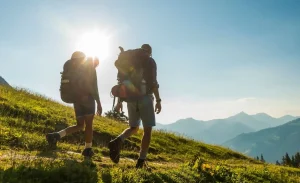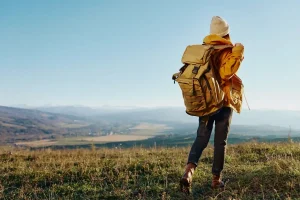
A multi-day hiking adventure is a different undertaking from a day hike in almost every meaningful way. The physical demands accumulate. The consequences of poor preparation compound. And the rewards, complete immersion in landscape, genuine self-reliance, and the quality of experience that only distance and time in wild places produces, are proportionally greater.
Preparation for multi-day hiking is not a scaled-up version of day hike planning. It is a systematic process with distinct elements that each influence the others. This guide covers every layer of that process in the sequence that makes preparation most effective.
Understanding What Multi-Day Hiking Actually Demands
The gap between day hiking and multi-day hiking is larger than most people expect until they experience it directly. Consecutive hiking days produce cumulative fatigue that single efforts never generate. The body does not fully recover overnight when it is sleeping in a tent, eating trail food, and preparing to do the same thing again the next morning.
Carrying a loaded pack changes everything. Biomechanics shift. Pace slows. Energy expenditure increases substantially. A comfortable ten-kilometer day hike with a two-kilogram daypack becomes a meaningfully different physical challenge with a fifteen-kilogram multi-day pack over the same terrain. The preparation that makes you comfortable in one scenario does not automatically prepare you for the other.
The psychological dimension is equally real. Decision-making under fatigue, managing discomfort, and maintaining motivation when weather turns and terrain becomes difficult are skills that require development as deliberately as physical fitness.
Physical Conditioning: Building the Body for Multi-Day Demands
Cardiovascular and Endurance Base
A twelve-week progressive training program is the minimum preparation timeline for someone starting from moderate fitness. The first four weeks establish aerobic base through consistent hiking and sustained cardio. Weeks five through eight introduce elevation gain progressively, targeting trails with increasing vertical. Weeks nine through twelve add pack weight and back-to-back training days.
Back-to-back training days are the element most preparation programs omit and the one that matters most for multi-day hiking readiness. Hiking on consecutive days trains the body to perform while accumulating fatigue. It also reveals weaknesses, in gear, in foot care, in nutrition habits, that a single training day never exposes. Two moderate hiking days in succession teach more about multi-day readiness than any single long day.
Strength Training for Load Carrying
The muscle groups that multi-day hiking loads most heavily are the hip flexors and glutes for sustained uphill movement, the quadriceps for descent, and the core for pack stability across long hours. Targeted strength training for these groups reduces injury risk and improves performance under load.
Descent-specific training is the most consistently neglected preparation element. Downhill movement with a heavy pack places significant eccentric load on the quadriceps, the controlled lengthening under tension that causes the delayed onset muscle soreness that makes day two of a multi-day route genuinely painful. Single-leg squats and step-down exercises address this specifically. Hiking downhill with a weighted pack addresses it most directly.
Gear Selection: The Pack Weight Equation
The Base Weight Philosophy
Base weight, the weight of your pack excluding food and water, determines the physical tax you pay every hour of every day on a multi-day route. Reducing it by two kilograms across a five-day route is not a marginal improvement. It is thousands of steps taken with significantly less strain on joints, muscles, and energy reserves.
Auditing existing gear for weight reduction requires an honest assessment of what is genuinely necessary versus habitually packed. A gear audit against a target base weight of under ten kilograms for a self-sufficient tent-based route, or under seven kilograms for hut-to-hut routes, typically reveals several hundred grams to several kilograms of reduction opportunity without compromising safety.
Shelter, Sleep, and Warmth Systems
Shelter choice depends on route type. Wild camping routes require a tent or bivouac system. Hut-to-hut routes eliminate shelter weight entirely in exchange for advance booking logistics. The decision has significant pack weight implications and shapes the entire gear strategy.
Sleeping bag selection hinges on the comfort temperature rating rather than the limit rating that manufacturers emphasise. The comfort rating is the temperature at which a standard sleeper will feel comfortable. The limit rating is where a cold morning becomes a miserable one. For multi-day routes where quality sleep directly affects the next day’s performance, comfort rating is the relevant figure.
Cotton has no place in a multi-day hiking wardrobe. It absorbs moisture, loses insulation value when wet, and dries slowly. Merino wool base layers and synthetic or down mid-layers form the appropriate system for variable mountain conditions. The layering principle, moisture management against the skin, insulation above it, and weather protection as the outer shell, applies regardless of season or destination.
Footwear and Blister Prevention
The boots versus trail shoes debate for multi-day hiking depends on terrain and pack weight rather than tradition. Heavy mountain terrain with significant scrambling and a pack over twelve kilograms benefits from the ankle support and sole stiffness of full hiking boots. Well-maintained trails with a lighter pack are often more comfortably covered in trail running shoes with lower weight and better ground feel.
Regardless of footwear choice, the sock system matters as much as the shoe. A thin liner sock worn beneath a cushioned hiking sock reduces friction at the points where blisters form. And no footwear should be worn for the first time on day one of a multi-day route. Breaking in shoes through progressive training runs is not optional preparation. It is blister prevention.
Navigation and Route Planning
Route research for multi-day hiking goes stage by stage, not just overall. Each daily stage requires confirmed water sources, identified accommodation or camping options, an elevation profile that matches the day’s position in the cumulative fatigue curve, and a bail-out point if conditions or physical state require an early exit.
Building a realistic daily schedule means accounting for pack weight and the pace reduction caused by accumulated fatigue on later days, a stage that takes six hours on day one may take eight hours on day four. Conservative daily targets that leave time for weather, rest, and navigation preserve the experience rather than turn it into a survival calculation.
Offline mapping apps are essential for any route with limited mobile coverage. Gaia GPS, Komoot, and Maps.me all allow full offline navigation with downloaded maps. Paper maps and a compass remain the backup that electronics cannot replace, because batteries fail, screens crack, and signal drops at the moments that matter most.
Nutrition and Hydration for Multi-Day Performance
Daily caloric expenditure during loaded multi-day hiking ranges from 3,500 to 5,000 calories, depending on body weight, pack weight, terrain, and temperature. Most hikers eat far less than this on trail and experience the energy deficit as fatigue and poor decision-making by the third day.
Food planning requires balancing caloric density against palatability and weight. The foods that perform best on multi-day routes are those with high calorie-per-gram ratios that you will actually want to eat after a long day. Nut butters, hard cheeses, dried fruits, and quality freeze-dried meals address all three criteria more consistently than health-optimised foods that lose appeal under fatigue.
Water source research is a stage-specific preparation. Never assume water availability that has not been confirmed through recent trip reports or official trail documentation. Carrying a reliable filter or chemical treatment system as standard rather than optional gear eliminates the decision about whether a questionable source is safe enough.
Conclusion
Multi-day hiking preparation is a systematic process where each element compounds the others. Physical conditioning built over twelve weeks reduces gear weight requirements. Reduced gear weight improves pace and reduces fatigue. Better fatigue management improves nutrition intake. Improved nutrition improves decision-making. Better decisions improve safety.