Hiking is one of the most enriching ways to experience the natural beauty of our planet. From towering mountain ranges and dense forests to coastal cliffs and vast deserts, every trail offers something unique. However, one of the most important factors that determines the success of any hiking trip is timing.
So, when is the best season to hike popular trails around the world?
The answer depends on multiple factors including climate, geography, altitude, and personal preferences. Choosing the right season can enhance your experience with clear views and comfortable conditions, while choosing the wrong one can lead to harsh weather, closed trails, or even dangerous situations.
In this comprehensive guide, we’ll explore the best hiking seasons across different regions of the world and help you plan your next adventure with confidence.
Why Choosing the Right Season Matters
Timing your hike correctly is just as important as selecting the trail itself. Seasonal conditions directly impact safety, comfort, and overall enjoyment.
Here’s why it matters:
-
Weather conditions can vary drastically, from extreme heat to freezing temperatures
-
Trail accessibility changes due to snow, rain, or maintenance closures
-
Visibility and scenery depend on the season (e.g., clear skies vs. fog or storms)
-
Crowds and costs fluctuate during peak and off-peak seasons
For example, a Himalayan trek during the monsoon season can be risky due to landslides, while hiking a desert trail in peak summer can lead to dehydration and heat exhaustion.
Understanding the Global Hiking Seasons
Before diving into specific regions, it’s important to understand how the four main seasons affect hiking conditions worldwide.
Spring (March – May)
Spring is widely considered one of the best seasons for hiking in many parts of the world. As winter fades, landscapes come alive with blooming flowers and flowing rivers.
Spring offers mild temperatures and fewer crowds compared to peak summer months. It’s especially popular in regions like the Himalayas and parts of Europe.
However, weather can still be unpredictable, and higher-altitude trails may remain snow-covered well into late spring.
Summer (June – August)
Summer is the peak hiking season in many regions, particularly in the Northern Hemisphere. Trails are fully accessible, and long daylight hours allow for extended hiking days.
This season is ideal for high-altitude destinations where snow has melted, making routes safer and easier to navigate.
That said, summer also brings larger crowds and higher travel costs. In some areas, especially deserts or tropical regions, temperatures can become uncomfortably high.
Autumn (September – November)
Autumn is often considered the best overall season for hiking. The weather is typically stable, temperatures are comfortable, and landscapes transform with vibrant fall colors.
This season is perfect for hikers who want to avoid peak crowds while still enjoying excellent trail conditions.
The only downside is shorter daylight hours and cooler evenings, especially in mountainous regions.
Winter (December – February)
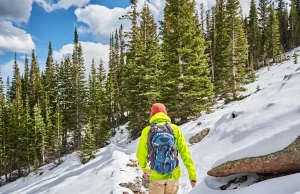
Winter hiking offers a completely different experience. Snow-covered landscapes can be stunning, and trails are often quieter.
However, winter hiking requires proper gear, experience, and preparation. Many trails become inaccessible due to snow, and temperatures can drop significantly.
Winter is best suited for experienced hikers or those exploring regions with mild climates.
Best Hiking Seasons by Region
Himalayas (Nepal, India, Pakistan)
The Himalayas are among the most iconic hiking destinations in the world, offering breathtaking views and challenging trails.
The best times to hike in this region are spring (March to May) and autumn (September to November). During these months, the weather is relatively stable, and visibility is excellent, making it ideal for trekking.
Spring is known for blooming rhododendron forests, while autumn offers crisp air and clear mountain views.
It’s best to avoid the monsoon season (June to August), as heavy rainfall can cause landslides and slippery trails. Winter months can also be extremely cold, especially at higher elevations.
Europe (Alps, Scotland, Scandinavia)
Europe offers a wide variety of hiking experiences, from alpine adventures to coastal walks.
The best time to hike in most European regions is between June and September. During this period, trails in the Alps become accessible as snow melts, and weather conditions are generally favorable.
July and August are the busiest months, attracting hikers from around the world. If you prefer fewer crowds, September is an excellent alternative with similar weather conditions and beautiful scenery.
In northern regions like Scandinavia, summer provides unique experiences such as long daylight hours and even the midnight sun.
North America (USA & Canada)
North America is home to diverse landscapes, which means the best hiking season varies depending on the region.
In general, the best time to hike is from April to October.
Spring and autumn are ideal for desert areas like the Grand Canyon, where temperatures are more moderate. Summer is best for mountainous regions such as the Rocky Mountains and national parks like Yosemite, where snow has cleared from higher elevations.
Winter can also be suitable for certain southern regions, but northern trails are often inaccessible due to snow.
South America (Peru, Chile, Argentina)
South America offers some of the most famous trekking routes in the world, including those in the Andes and Patagonia.
The dry season, from May to September, is the best time for hiking in Peru, especially for trails like the Inca Trail. During this time, you can expect clear skies and stable conditions.
In Patagonia, however, the best time to hike is during the summer months (December to February), when temperatures are milder and trails are more accessible.
Rainy seasons should generally be avoided, as they can make trails muddy and hazardous.
Oceania (New Zealand & Australia)
In the Southern Hemisphere, seasons are reversed compared to the Northern Hemisphere.
The best time to hike in New Zealand and Australia is between November and April, which corresponds to their summer months.
New Zealand’s famous trails, known as Great Walks, are most accessible during this period. The weather is generally warm, and conditions are ideal for multi-day hikes.
In Australia, autumn and spring can also be great for hiking, especially in regions where summer temperatures become too intense.
Africa (Tanzania, South Africa, Morocco)
Africa offers diverse hiking opportunities, from mountain treks to coastal trails.
The best time to hike depends on the region:
-
Mount Kilimanjaro is best climbed between January to March and June to October
-
Morocco’s Atlas Mountains are ideal in spring and autumn
-
South Africa’s coastal trails are most enjoyable during moderate months like April
It’s important to avoid extreme heat and rainy seasons, which can make hiking uncomfortable or unsafe.
Month-by-Month Hiking Guide
Here’s a quick overview of the best regions to hike throughout the year:
-
January: Patagonia, East Africa
-
February: New Zealand, Southern Africa
-
March: Nepal, Peru
-
April: Europe (early season), South Africa
-
May: Himalayas, Southern Europe
-
June: Alps, North America
-
July: High-altitude regions worldwide
-
August: Europe, Canada
-
September: Himalayas, USA
-
October: Europe, Nepal
-
November: Australia, South America
-
December: Patagonia, tropical destinations
Key Factors That Determine the Best Hiking Season
Choosing the right season involves more than just looking at a calendar. Several factors influence hiking conditions:
Weather Patterns
Temperature, rainfall, and wind conditions play a major role in trail safety and comfort.
Altitude
Higher elevations remain snow-covered longer and have shorter hiking windows.
Crowd Levels
Peak seasons offer better weather but attract more people and higher prices.
Trail Conditions
Some trails become muddy, flooded, or icy depending on the season.
Tips for Planning Your Hiking Trip
Planning ahead can make a huge difference in your hiking experience. Here are a few practical tips:
-
Research your specific trail rather than relying on general regional advice
-
Check local weather forecasts and seasonal trends
-
Consider shoulder seasons for a balance of good weather and fewer crowds
-
Pack appropriate gear based on expected conditions
Even the best season can vary slightly year to year, so flexibility is key.
Final Thoughts
So, when is the best season to hike popular trails around the world?
The truth is, there isn’t a single answer. Each destination has its own ideal window based on climate, geography, and elevation.
Spring and autumn are often the most balanced seasons, offering pleasant weather and fewer crowds. Summer is perfect for high-altitude hikes, while winter can provide a unique experience for those prepared for it.
Ultimately, the best time to hike depends on where you’re going and what kind of experience you’re looking for. By understanding seasonal patterns and planning accordingly, you can ensure a safe, enjoyable, and unforgettable adventure.