Hiking feels simple, but it comes with real risks that many people ignore. Even experienced hikers can face trouble if they overlook small details. That is why hiking safety tips matter at every level, not just for beginners. They help you stay aware and make better choices on the trail. When you understand safety as part of the experience, you enjoy hiking more because you feel prepared and in control instead of guessing your way through situations.
Understanding risk beyond the basics
Many hikers think experience alone keeps them safe, but that is not always true. Confidence can sometimes lead to ignoring small risks that grow into bigger problems. Hiking safety tips remind you that every trail is different, even if it looks familiar. Conditions can change, and small mistakes can add up quickly. Real safety comes from staying alert and thinking ahead. When you take time to assess risk properly, you reduce surprises and improve consistency on every hike.
Environmental awareness and terrain challenges
Nature is unpredictable, and trails can change without warning. Weather shifts, loose ground, or uneven paths can all affect your safety. Hiking safety tips focus on reading your surroundings instead of relying only on plans made earlier. When you stay aware of the environment, you adjust your pace and decisions naturally. This helps prevent accidents and keeps your hike under control even when conditions change suddenly.
Weather shifts and rapid condition changes
The weather can change quickly in outdoor areas, and this can affect visibility, footing, and temperature in a short time. A clear morning can turn into rain or strong winds by afternoon. Hiking safety tips often include checking the weather before and during your hike so you can react early. Preparing for sudden changes helps you avoid risky situations and stay comfortable throughout your journey.
Terrain-specific hazards
Different trails come with different challenges, such as rocky paths, steep slopes, and slippery surfaces that can increase the chance of falling. Adjusting how you walk based on terrain is important for maintaining balance. Hiking safety tips encourage slowing down on difficult sections and staying focused on each step to reduce risk and improve control.
Navigation skills and route management
Getting lost is one of the most common problems hikers face, even on marked trails. Losing focus or missing a turn can lead to confusion and stress. Hiking safety tips stress the importance of knowing your route before you start and keeping track of your position during the hike. This helps you stay confident and avoid unnecessary risks while exploring unfamiliar areas.
Using maps and GPS effectively
Digital tools are helpful, but they should not be your only source of direction because devices can fail or lose signal. Using both maps and GPS together gives you better accuracy and backup support. Hiking safety tips suggest learning how to read maps so you are not fully dependent on technology during your hike.
Recognizing trail markers and signals
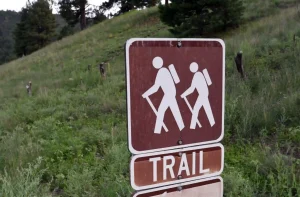
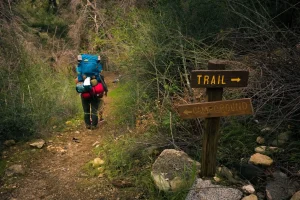
Trail markers guide you along the path, but they can be easy to miss if you are distracted. Paying attention to signs, symbols, and natural indicators helps you stay on track. Hiking safety tips include staying alert and checking your surroundings regularly to avoid taking wrong turns.
Physical readiness and energy management
Hiking requires strength and stamina, but many people underestimate how quickly fatigue can build. Starting too fast often leads to exhaustion later. Hiking safety tips focus on pacing yourself, taking breaks, and staying hydrated. Managing your energy properly helps you complete the trail safely and reduces the risk of injury.
Emergency preparedness and response thinking
Unexpected situations can happen at any time, even on easy trails. Injuries, sudden weather changes, or getting lost require calm thinking. Hiking safety tips help you stay mentally prepared so you can respond instead of panicking. Staying calm allows you to make better decisions and handle challenges more effectively.
Basic emergency essentials
Carrying a few essential items like water, a first aid kit, and a light source can make a big difference in emergencies. These items do not add much weight but provide important support when needed. Hiking safety tips also include knowing how to use these tools properly so you can act quickly in difficult situations.
Situational awareness and decision making
Being aware of your surroundings is one of the most important habits during a hike. Distractions can lead to missed signs or poor decisions. Hiking safety tips encourage staying present and paying attention to changes in the environment. This helps you notice potential risks early and take action before problems become serious.
Group dynamics and solo hiking considerations
Hiking in a group provides support, but it also requires communication and coordination. Misunderstandings can lead to separation or confusion. Solo hiking offers freedom but increases responsibility. Hiking safety tips help both group and solo hikers stay prepared by focusing on awareness, communication, and smart decision-making.
Wildlife encounters and natural risks
Wildlife is a natural part of hiking, but it requires caution and respect. Most animals avoid humans, but encounters can still happen. Staying calm and keeping a distance is important for safety. Hiking safety tips include understanding animal behavior and avoiding actions that may provoke them.
Technology use and its limitations
Technology makes hiking easier, but it should not replace awareness. Apps and devices provide useful information, but they can fail at any time. Hiking safety tips suggest using technology as a support tool while still relying on your own judgment and observation. This balance keeps you prepared in all situations.
Common mistakes even experienced hikers make
Many hikers make simple mistakes like ignoring weather forecasts, overestimating their ability, or starting hikes too late. These errors can lead to avoidable risks. Hiking safety tips help identify and avoid these common issues so you can stay consistent and safe on every hike.
Building a personal safety system
Creating a routine before every hike helps reduce risk. Simple steps like checking gear, reviewing routes, and planning make a big difference. Hiking safety tips become more effective when they are part of your habit. This makes safety feel natural instead of something you have to think about constantly.
Long-term benefits of prioritizing safety
Focusing on safety improves your overall hiking experience. It builds confidence and allows you to explore more comfortably. Hiking safety tips help you feel prepared and reduce stress during your journey. Over time, this creates a better balance between adventure and control.
Conclusion
Safety should be part of every hiking decision, not something you think about only when problems appear. Hiking safety tips help you stay prepared, make better choices, and enjoy your time outdoors with confidence. When you apply these ideas consistently, hiking becomes safer, more enjoyable, and more rewarding.
FAQs
1. Why are hiking safety tips important for experienced hikers?
Hiking safety tips help experienced hikers avoid overconfidence and stay aware of changing conditions, ensuring they remain prepared for unexpected situations even on familiar or easy-looking trails.
2. How can weather affect hiking safety?
Weather can change quickly and impact visibility, temperature, and terrain conditions, making hiking safety tips essential for preparing ahead and adjusting plans to avoid dangerous situations during the hike.
3. What are the most common hiking mistakes to avoid?
Common mistakes include ignoring weather forecasts, poor planning, overestimating fitness levels, and not carrying essentials, which hiking safety tips help prevent through better preparation and awareness.
4. Is it safe to rely only on GPS while hiking?
Relying only on GPS is risky because devices can fail or lose signal, so hiking safety tips recommend using maps and staying aware of surroundings for better navigation safety.
5. How do hiking safety tips improve the overall experience?
Hiking safety tips reduce stress and increase confidence, allowing hikers to focus on enjoying nature while staying prepared, aware, and capable of handling challenges during the journey.