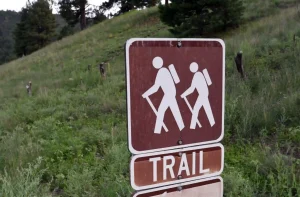
Understanding trail difficulty is essential for anyone who enjoys hiking. It is not just about the trail you choose; it is also about how you prepare for it. A well-planned hike considers not only the scenic views but also the physical demands and necessary gear. Trail difficulty affects everything from your planning to the equipment you select. Knowing how to assess these aspects can lead to a safer and more enjoyable outdoor experience. When you take the time to understand trail ratings, you can make confident decisions that enhance your hiking adventures.
Understanding Trail Difficulty
Trail difficulty is a term that describes how challenging a hiking route is. Trails are typically classified into categories such as easy, moderate, and difficult. An easy trail may be flat and well-maintained, making it accessible for families and beginners. On the other hand, a difficult trail may involve steep climbs, rocky paths, and varying weather conditions that require more skill and fitness. Understanding these classifications helps hikers choose paths that suit their abilities. Not all trails are created equal, and what one person considers easy, another might view as challenging. Familiarizing yourself with these categories can provide clarity and set realistic expectations for your hiking journey.
Factors Influencing Trail Difficulty
Several factors contribute to trail difficulty. Terrain is one of the most significant influencers. A flat, dirt path is generally easier than a rocky, uneven trail. Elevation gain plays a critical role as well. A trail that climbs significantly over a short distance will demand more stamina than a longer, gradual ascent. Weather conditions can also affect how a trail is perceived. Rain can make paths slippery, while snow can obscure them entirely. Being aware of these elements helps hikers plan better and select trails that match their skill levels. Additionally, the presence of obstacles like roots, boulders, or streams can add to the complexity of a trail, further influencing its difficulty rating.
The Importance of Planning Based on Trail Difficulty
Planning is crucial when it comes to hiking. The level of difficulty of a trail directly impacts how you should prepare. Before choosing a trail, it is essential to assess your fitness level and hiking experience. If you are new to hiking, selecting a trail that aligns with your abilities is vital for enjoyment and safety. A well-thought-out plan not only enhances your experience but also minimizes risks associated with underestimating a trail. By considering your physical capabilities and hiking history, you can make informed choices that lead to successful outings.
Researching Trails
Knowing where to find information about trail difficulty is essential. Many websites and apps provide detailed descriptions and ratings for trails. These resources often include user reviews that can give insight into current trail conditions. Using these tools can help you make informed decisions about where to hike. Additionally, local hiking clubs or outdoor shops can offer recommendations based on firsthand experience. Engaging with fellow hikers and gathering information from various sources ensures you are well-prepared for what lies ahead. This research can also reveal hidden gems or lesser-known trails that suit your preferences and skill level perfectly.
Setting Realistic Goals
Setting realistic goals is another crucial aspect of planning based on trail difficulty. Understand your physical limits and choose trails that challenge you without being overwhelming. For example, if a trail is rated as difficult, plan for longer breaks and ensure you stay hydrated. Setting achievable goals can also enhance your hiking experience. You are more likely to enjoy the journey when you are not struggling to keep up with others or feeling exhausted. It’s essential to listen to your body and adjust your plans as necessary. This approach leads to a more fulfilling experience and fosters a greater appreciation for the outdoors.
Gear Selection Based on Trail Difficulty
Trail difficulty directly dictates the gear you need for a successful hike. Packing the right equipment can make all the difference in your comfort and safety. As the difficulty level increases, so does the amount and type of gear you may need. Understanding the specific requirements for various trails can help prevent mishaps and ensure you are fully prepared. From hydration systems to navigation tools, selecting appropriate gear tailored to the trail difficulty can enhance your hiking experience and boost your confidence on the trail.
Footwear Considerations
Selecting the right footwear is essential for any hike. On easier trails, lighter shoes can be suitable. But as the difficulty increases, the terrain becomes more unforgiving. Hiking boots with good ankle support and tread patterns designed for rocky paths can significantly improve your experience. If you are hiking a difficult trail, consider the conditions. Wet or muddy trails require shoes with excellent grip to prevent slipping. Investing in quality footwear can enhance your safety and comfort on the trail. Additionally, breaking in your shoes before a hike can help avoid blisters and discomfort during your adventure.
Clothing and Accessories
Choosing the right clothing is also important. When hiking on easy trails, breathable fabrics may be sufficient. However, if you are tackling a difficult trail, layering is key. The weather can change quickly in the mountains, and having the right layers can keep you comfortable. Accessories play a role, too. If you are hiking a challenging trail, carrying essentials like a hat, sunglasses, and sunscreen is crucial. These items can protect you from the sun and help you stay focused on your hike. Additionally, consider packing a lightweight rain jacket or windbreaker, as conditions can shift unexpectedly, especially in mountainous areas.
Safety Considerations by Trail Difficulty Level
Different levels of trail difficulty come with varying safety risks. It is important to understand these risks and prepare accordingly. For instance, difficult trails may require more significant precautions, including emergency supplies and navigation tools. Being aware of the potential hazards associated with a trail helps you prepare. If a trail is steep or has loose rocks, being aware of these dangers can help you remain cautious. Additionally, planning for emergencies is crucial when venturing into challenging terrain. Educating yourself about the specific risks of a trail can help you take the necessary measures to mitigate them.
First Aid and Navigation Gear
Having appropriate first aid supplies is essential, especially on more difficult trails. A well-stocked first aid kit can help you respond to minor injuries quickly. This preparation can make a significant difference in how you handle accidents on the trail. Moreover, navigation tools are crucial for safety. Complicated trails can be easy to lose your way on. Carrying a reliable map, compass, or GPS device can help you stay on track. Understanding how to use these tools is just as important as having them. Being able to orient yourself in unfamiliar areas can help you avoid potential hazards and ensure a more enjoyable experience.
Real-Life Experiences with Trail Difficulty
Hikers often have valuable stories to share about their experiences with trail difficulty. These real-life accounts can provide insights that guide new hikers in their planning. For example, a hiker may recount their first experience on a difficult trail and the lessons they learned about preparation. Listening to these experiences can offer practical advice. Many seasoned hikers emphasize the importance of knowing your limits and planning according to trail difficulty. These stories serve as reminders that preparation can make or break a hiking experience. By learning from others, you can gain valuable insights that enhance your own hiking journey.
Conclusion
Trail difficulty plays a significant role in both planning and gear selection for hikers. Understanding the challenges associated with different trails can lead to better preparation and a more enjoyable experience. Whether you are a seasoned hiker or just starting, considering trail difficulty is essential for safety and enjoyment. As you plan your next hiking adventure, take the time to assess your abilities and choose trails that match them. Equip yourself with the right gear, and remember that preparation is key. By doing so, you will be ready to embrace the beauty of the outdoors with confidence. Hiking is a rewarding activity that provides not only physical exercise but also a chance to connect with nature, and being well-prepared enhances this experience significantly.